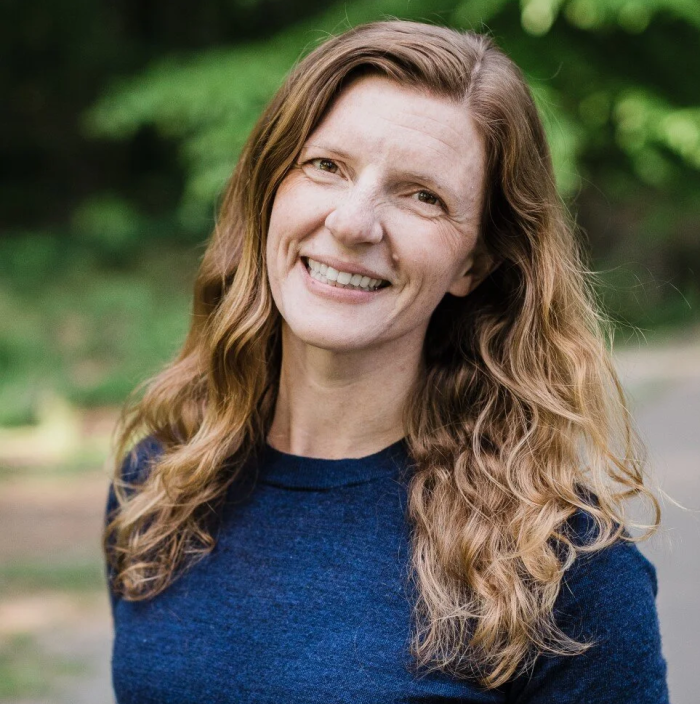
Caila Cater-Edwards, PEA Clean Energy Intern, connecting with architect, educator, and PEA Green Mentor, Lauren Frye. Lauren is the founder of Latent Designs, a Winston-Salem-based architectural practice built on the principle of adaptive reuse—sustainably building community by reimagining existing spaces, honoring local history, and reconnecting people with their natural surroundings.
Caila Cater-Edwards (CE): Hi Lauren! It’s such a pleasure to connect with you. Your name comes up so often in the PEA space, and I’ve been really looking forward to diving deeper into your work at Latent Designs. Recent discussions around sustainable design have really expanded my perspective on its potential. I’d love to hear a bit about your journey to Latent Designs and what sets your approach apart from the rest of the field
Lauren Frye (LF): Thanks, Caila. I’m humbled that my work would be mentioned by the PEA team and grateful for the opportunity to share a bit about my work.
My personal interest in sustainability started as a child who loved the outdoors. This was fostered by family hikes and a wooded backyard with a creek for playing, and grandparents’ homes with plenty of magnolias to climb. I learned about caring for the land and its inhabitants at a beautiful summer camp in Brevard, NC. When I entered undergrad in 2002 the term “sustainability” was just starting to come into its own, and was infused into my architectural education.
In my undergraduate architecture studios I was fortunate enough to have professors like Dan Wood and Amale Andraos, founders of WORKac, who emphasized the impact that buildings have on the world around them, and asked questions like, “What if buildings had a positive impact, rather than a neutral or negative one?” or, “How might buildings integrate with natural systems rather than conflict with them?” In graduate school I spent a semester considering the relative sustainability of various building materials; helped design + build a floating nature classroom on a repurposed barge; and researched the negative environmental impacts of urban growth on a historically black neighborhood in Portsmouth, VA. I interned for a week at William McDonough + Partners and read his groundbreaking 2002 book Cradle to Cradle. I spent a summer studio in Nicaragua working alongside Agros International and experiencing just how resource-heavy American life truly is (and how grateful one should be for clean water).
All of this added up to my desire to focus my architectural career on two things: building community, and minimizing non-renewable resources to do it.
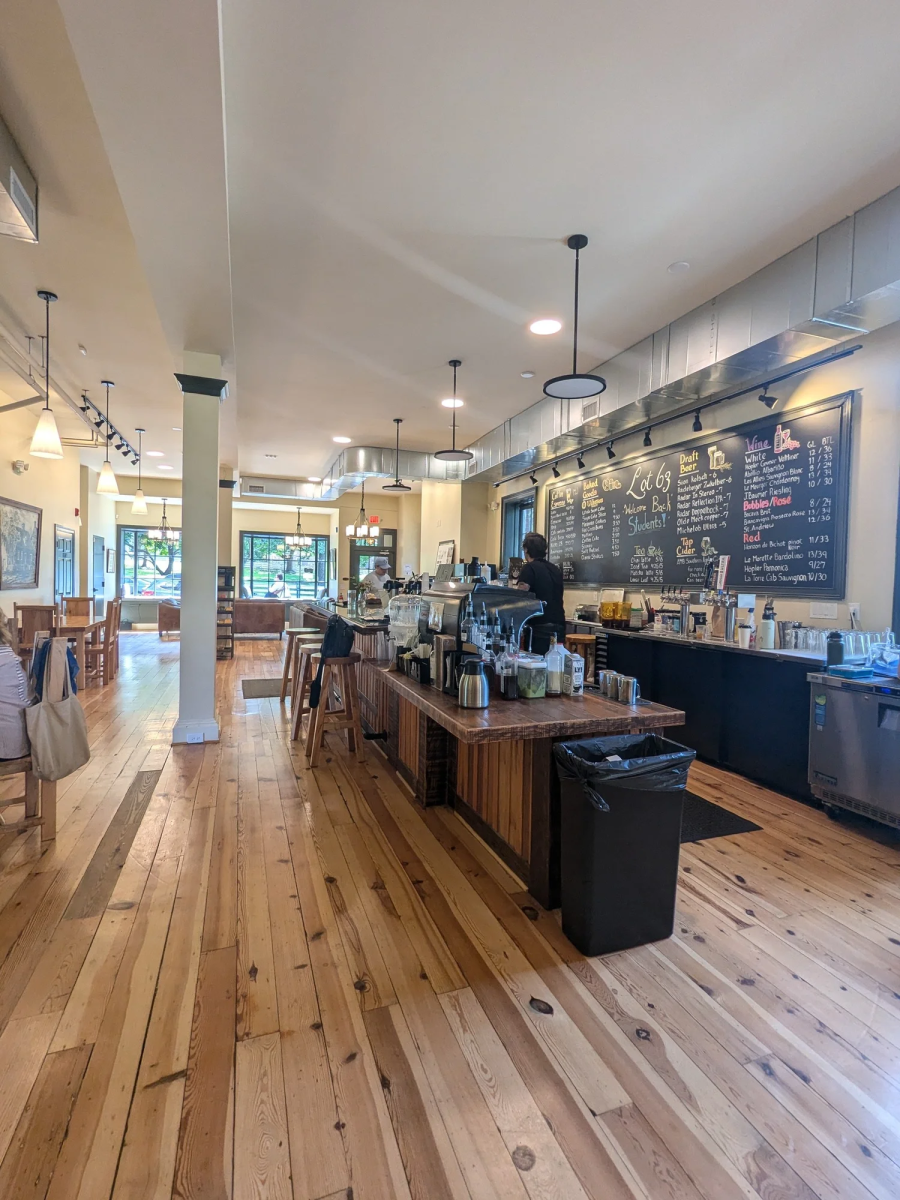 I returned to my hometown of Winston-Salem after graduate school and began my professional career at Walter Robbs Callahan & Pierce Architects, where I learned about the practice from the entire team but most notably my mentor, Rence Callahan. I quickly earned my LEED AP BD+C certification and became an in-house expert on the rating system, which certifies buildings as “Leaders in Energy and Environmental Design” by assigning point values to various features of a building and site, from bike racks to mechanical systems to paint chemicals. For years this system pushed manufacturers and developers to consider choices through the lens of sustainability, but after ten years working on LEED projects I found that the paperwork was overly time consuming, developers had found loopholes, and the baseline ethos of creating a sustainable building was often lost in the documentation. In short, “sustainability” had become a checklist, rather than a practice.
With trepidation and hope, I left my architectural home at Walter Robbs in 2019 to begin a multi-modal practice. Now I teach design to high school students at Forsyth Country Day School and via Community Design Studio, and practice architecture via Latent Designs. Latent Designs is founded on the principle that the most sustainable buildings are those that already exist, and that by reimagining existing spaces we can sustainably build community by celebrating history, re-investing in existing neighborhoods, and reconnecting with natural surroundings. I work solely on buildings or sites that are already developed. This often means I turn down work; I find that sticking with my values is both professionally and personally rewarding, and I welcome any collaborators who share a similar ethos regarding responsible use of resources & community benefit.
CE: This is such a fascinating journey, Lauren. I really appreciate that shift in focus: moving away from buildings as isolated structures and asking how they can truly integrate with the environment around them. One of my favorite parts of these conversations is how they expand my own perspective, so thank you for that insight. You’ve paired your architectural practice at Latent Designs with teaching the next generation at Forsyth Country Day and Community Design Studio. How does your time in the classroom inform your design work, and what shifts are you seeing in how young designers view sustainability today?
LF: One of my greatest joys as a designer working at a school is that I get to experience the results of my design work in real time, both as an end user and by observing others. I not only teach at FCDS, but assist with designing renovations on campus. I see how students and teachers actually use the furniture; the positive impact natural light has on wellbeing; and have learned SO MUCH during my time here about both how to optimize student learning and how to leverage the built environment to do so.
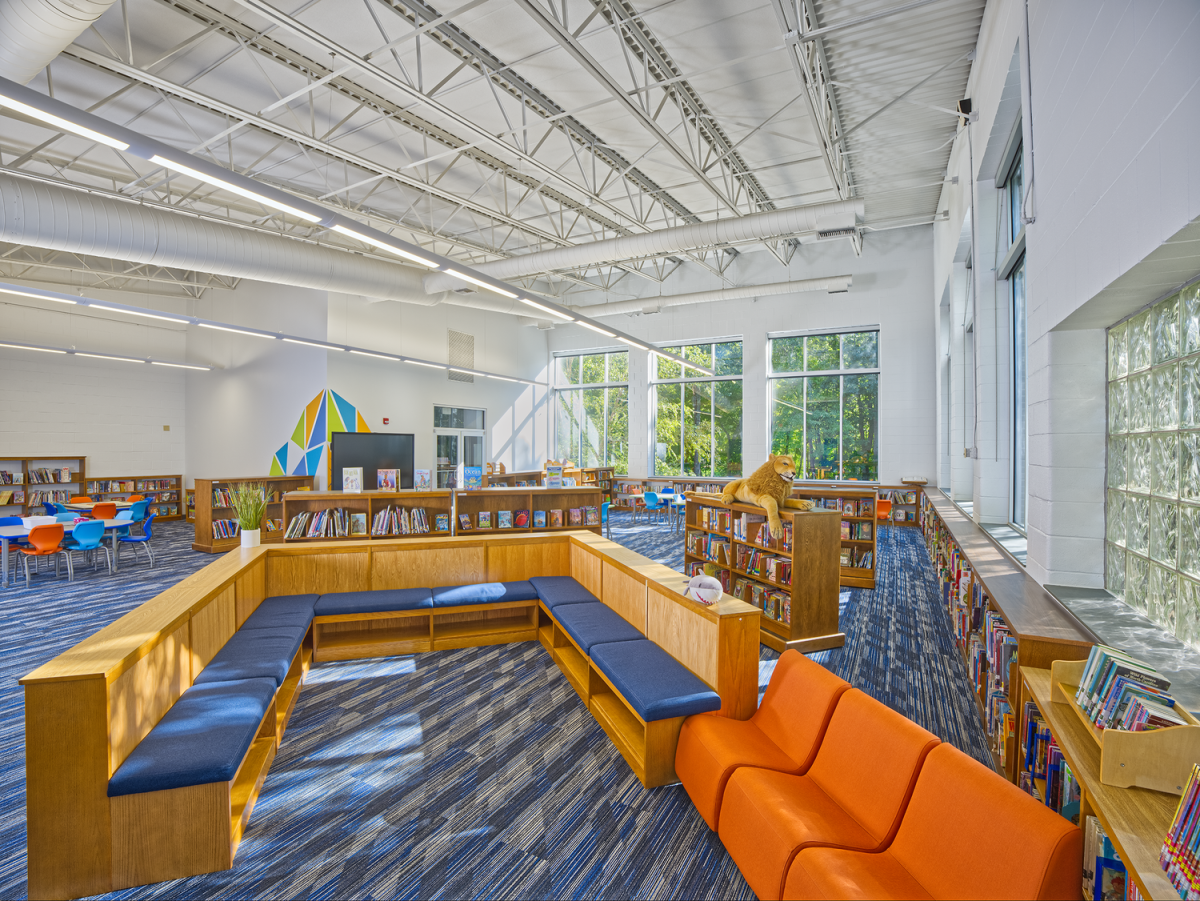
I have started shifting the focus of my architectural practice at Latent Designs to engaging with schools who want to update 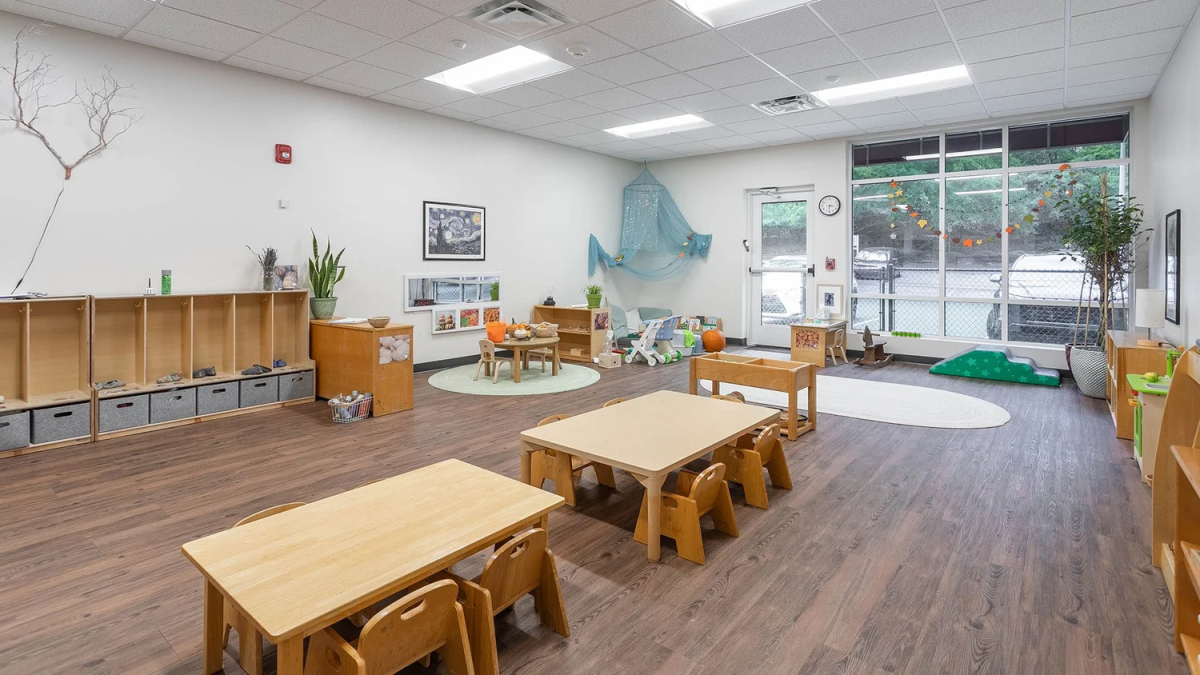 their spaces & pedagogical practices, and I now have 7 years’ worth of experience on both sides of the design process. This makes me uniquely qualified to engage with school leaders, teachers, and students to design spaces that work for them. Over the past 3 years I’ve worked with local schools like Salem Montessori School & The Westlawn School along with FCDS, and with Episcopal Day School in Southern Pines.
My other favorite thing about teaching design to young people is that I love finding ways for young leaders to tap into their innate creativity & use design thinking to positively impact the world around them. I am consistently surprised and inspired by students’ ideas, and love giving them the tools they need to bring their ideas to life as prototypes in the real world.
 As an example, at FCDS my architecture students always study an existing space in need on the campus - usually an outdoor space - and design something new for students who use that space. Our most successful project to-date was a re-imagining of a paved outdoor space into a vibrant, multi-sensory outdoor classroom. My students built prototypes, had preschoolers test them, made recommendations to the school, and then their designs were constructed and installed by local professionals over the summer. It’s absolutely amazing to see something that you imagined come to life, and I’m proud to be able to give my students access to that experience.
A quick answer regarding sustainability is that I think students see the challenges facing our global ecosystems today as extremely stressful and daunting. Again, I am proud to provide them with some ideas about how they might identify challenges and prototype solutions to them in their own lives, giving them agency in the face of what can often feel debilitating.
CE: It is inspiring to see people—especially young visionaries—widen their lens and reimagine possibilities in ways others might never consider. Turning those visions into reality is a powerful experience, and I know these students will carry these lessons far into their personal and professional journeys.
Speaking of career journeys, we are thrilled to have you join us as one of our Green Mentors for PEA’s 3rd Annual Green Job Fair. While we hope as many people as possible can attend in person to explore every opportunity, we know schedules don't always align. With that in mind, would you be open to offering a few key insights for folks starting out or transitioning into the sustainability sector?
LF: Sure! I think one of the great things that PEA has consistently said about green jobs is that any job can be a green job. There are some exceptions, of course, but in general I believe that nearly every system that we work within could be brought into closer alignment with natural systems and reduce resource use.
-
Starting a coffee shop? Where are your cups sourced, or can you offer reusable mugs or “BYO Mug” discounts? Can you find an existing building in which to locate your business or install solar panels?
-
Working in healthcare? Consider which materials you could reuse, or the impact that a living plant in each office will have on visitors’ mental & physical wellbeing.
-
Stay at home parent? How can you plan your driving routes to minimize fuel usage? What if you teach your kids to use public transportation or bicycles, advocate for a sidewalk near your neighborhood, or plant a garden?
Sustainability isn’t about what your job is, it’s about how you do it. This mindset shift in all of us is what’s going to move the needle on a more just, resilient, and sustainable society.